Anaerobic Bacteria

By Dr. Harold Katz - Bad Breath Expert
Take our free online breath test Free Online Breath Test  
Tell a friend about his or her bad breath anonymously Tell A Friend - Send a Virtual Breath Mint  
Global TheraBreath Canada elBuenAliento.com TheraBreath UK TheraBreath Korea TheraBreath EU
Home Bad Breath Testimonials Better Business Bureau - Accredited Business About Dr. Katz
About Dr. Katz
TheraBreath Home TheraBreath Products and Formulas TheraBreath Research and Science Where To Buy TheraBreath FAQs About TheraBreath About Dr. Katz
Questions? Ordering by Phone?
1-800-97-FRESH
Mon - Fri, 8am - 5pm PST
Bad Breath News
stop bad breath
Download your FREE copy of Dr. Katz's Bad Breath Bible... usually $9.95, now FREE.
First Name:
Email:
View All Products
Starter Kits
Mouthwash
Toothpaste
Sprays and Drops
Gum and Mints
Money-Saving Bonus Paks
Family Size Paks
Oral Care Probiotics
Teeth Whitening
Travel Size
Accessories and More
Special Offers
Shop By Solution
Left arrow
Left arrow
Left arrow
Left arrow
Left arrow
Left arrow
Left arrow
left arrow
left arrow
left arrow
left arrow
left arrow
left arrow
100% Satisfaction Guarantee on all TheraBreath Products
McAfee Secure sites help keep you safe from identity theft, credit card fraud, spyware, spam, viruses and online scams

ABOUT SSL CERTIFICATES
 
Official PayPal Seal
 
Free Ground Shipping on All Orders over $99 to anywhere in the USA and Canada

Anaerobic Bacteria

Anaerobic bacteria do not need oxygen to survive. Certain types of "anaerobes" may even react negatively when exposed to oxygen and expire upon exposure to oxygen molecules. As a result of the anti-oxygen nature of these bacteria, they are generally only found in areas of the body where tissues are poorly aerated, such as the intestines, nose, throat and mouth. What most people do not realize is that anaerobic bacteria are the primary cause of bad breath due to their ability to consume vast amounts of proteins and excrete foul-smelling volatile sulfur compounds as a result of rapidly digesting the proteins in the mouth.

anaerobic bacteriaSpecifically, oral anaerobic bacteria are comprised of obligate and aerotolerant microorganisms. Obligate anaerobes cannot survive in an oxygenated environment and aerotolerant organisms tolerate oxygen but do not grow when oxygen is present. While both use fermentation as a way to convert food into energy, only obligate anaerobes use anaerobic respiration to expel odorous wastes following consumption of protein-rich mouth debris.

Gram-negative Anaerobic Bacteria

Most bacteria that are "gram-negative" are pathogens that cause diseases due to cell walls containing LPS (lipopolysaccharide) endotoxins. Some of these diseases include salmonella, Legionnaire's disease, cholera and severe halitosis. Specifically, the gram-negative bacteria species associated with bad breath are:

  1. Treponema denticola
  2. Porphyromonas gingivalis
  3. Tannerella forsythensis
  4. Porphyromonas endodontalis
  5. Prevotella intermedia
  6. Eubacterium

All of these bacteria voraciously consume mouth debris containing proteins that, once digested, produces volatile sulfur compounds. These compounds are comprised of:

  • Methyl mercaptan
  • Dimethyl sulfide
  • Hydrogen sulfide
  • Cadaverine
  • Skatole
  • Isovaleric acid
  • Putrescine

When combined, the odors generated by the release of these gases resemble rotten eggs, decaying flesh, cabbage and rancid dairy products. By living a stagnant and undisturbed existence on the tongue's surface fissures, in the back of the throat and in between teeth, anaerobic bacteria avoid oxygen and have uninterrupted access to food particles, mucus and dead tissues sloughing off the inside of the cheeks and gums. In addition, the reason why proteins cause bacteria to excrete foul-smelling, sulfuric compounds is because proteins are primarily comprised of two amino acids rich in sulfur called methionine and cysteine. Broccoli and eggs contain high amounts of methionine and cysteine, which helps explain why these two foods often cause bad breath.

Anaerobic Bacteria and Dry Mouth

Along with the mouth being inundated with anaerobic bacteria, dry mouth syndrome often exacerbates halitosis by creating an even more airless environment conducive to bacterial proliferation. The causes of dry mouth are many but the most common reasons for suffering dry mouth are:

  • Chronic sinusitis/post nasal drip
  • Allergies/congestion
  • Medications (antidepressants, hypertensives, cold and allergy pills/liquids)
  • Alcohol
  • Smoking
  • Coffee/tea
  • Dysfunctional saliva glands
  • Autoimmune disorders like lupus and Sjögren’s Syndrome

Anytime a person has to breathe through his or her mouth due to inflamed and swelled sinus passages, it will cause saliva flow in the mouth to decrease. Saliva not only contains oxygen molecules but is a powerful antibacterial agent and assists in removing food particles from the tiny spaces between the teeth and gumline.

Sinusitis and post nasal drip also contribute to halitosis because the mucus that accumulates in the back of the throat and on the tongue's anterior is full of proteins that anaerobic bacteria love breaking down and consuming. With the digestive processes of millions of bacteria feeding on this mucus, the amount of sulfurous, smelly compounds overwhelming the mouth is enormous.

Halitosis and pH Level

When oral pH levels are higher than 7, growth of gram-negative bacteria increases due to the high acidity of saliva. People with acid reflux often experience chronic halitosis as well as those who engage in extreme diets in which caloric intake is severely restricted. When the liver does not have enough glycogen from food to provide the body with energy, a condition known as ketosis occurs. Ketosis produces ketones that infiltrate the bloodstream and raise the pH levels in the blood and saliva. This allows anaerobic bacteria to thrive in such dry, acidic and oxygen-less conditions.

Anaerobic Bacteria and Dental Problems

Gram-negative bacteria are found in nearly all dental infections including abscesses, gingivitis, periodontitis, inflammation of dental pulp (pulpitis) and plaque. Dry mouth that is left untreated exacerbates the development of tooth and gum diseases which may potentially lead to a more serious illness such as tooth loss, sepsis and infections of the mandible or neck. Even when good oral hygiene practices are followed, the mouth may still experience serious health problems due to lack of optimal saliva and oxygen flow.

The Tongue and Anaerobic Bacteria

Although it is not readily visible, the tongue's surface is comprised of tiny fissures and taste buds that provide excellent hideaways for bacteria in which they can feed on proteins and rapidly reproduce without being disturbed. Most anaerobic bacteria associated with halitosis accumulate on the back of the tongue where conditions remain unclean and dry. This continuous development of bacteria forms a coating fed by a dependable supply of food particles, mucus and sloughed epithelial cells. That grayish-white fuzz commonly seen on the tongue in the morning and in dry mouths is actually a bacterial "mat" exuding bad breath fumes as it digests proteins.

What Can be Done to Eliminate Oral Anaerobic Bacteria and Halitosis?

therabreath anaerobic bacteria treatment mouthwashTreating the root of halitosis, i.e., removing anaerobic bacteria from the mouth, involves increasing saliva flow, increasing oral oxygenation and also exercising good oral hygiene habits, such as brushing at least twice a day, using a non-alcoholic mouthwash and flossing. Because most over the counter mouthwashes contain alcohol and commercial toothpastes contain abrasive ingredients like sodium lauryl sulfate that worsens bad breath, individuals suffering from chronic halitosis will only experience relief by using alcohol-free, oxygenating oral hygiene products.

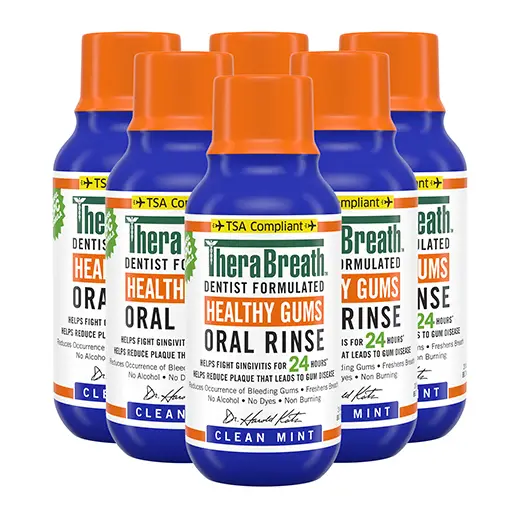
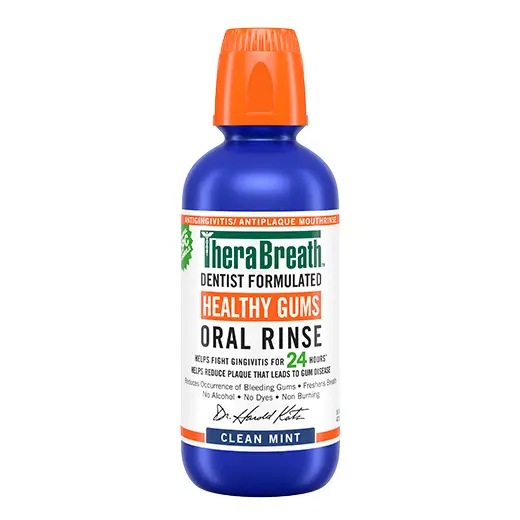
Consumers can find these products by accessing Dr. Harold Katz's line of famous TheraBreath mouthwashes, sprays, toothpastes and even professional tongue scrapers. TheraBreath oral hygiene products contain a unique, patented ingredient formulated exclusively by Dr. Katz called OXYD-8. Click here to view the complete line of TheraBreath Products for Dry Mouth.

OXYD-8 is a powerful compound that kills anaerobic bacteria by providing generous amounts of oxygen to the mouth in addition to increasing the flow of saliva. Because bacteria are unable to live in a mouth cleaned with TheraBreath products, sulfuric gases can no longer be produced, effectively ending dry mouth and bad breath forever.

Home
Products
Research
Bad Breath Blog
Contact Us
Store Locator
FAQs
About TheraBreath
Oral Health News
Guides
Press Releases
Affiliate/Partner Programs
Site Map
TheraBreath Global
Oral Care Information
Privacy Policy
Terms & Conditions
© 2013 Dr. Harold Katz, LLC. All International Rights Reserved.
100% Satisfaction Guarantee All TheraBreath Formulas are backed by a 100% 30–Day Money-Back Guarantee. If for any reason you're not satisified, let us know and we'll promptly refund your product cost.
Socialize with us:FacebookTwitterMySpaceYouTubeViddleriTunesTheraBreath BlogPinterest