



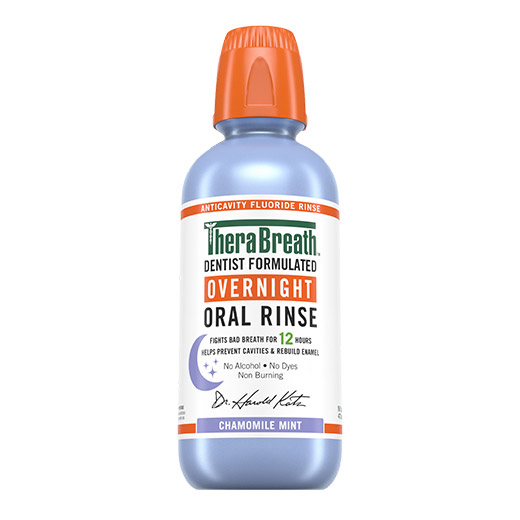
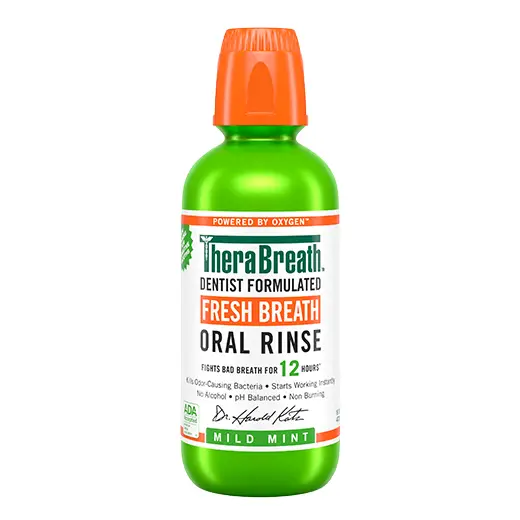
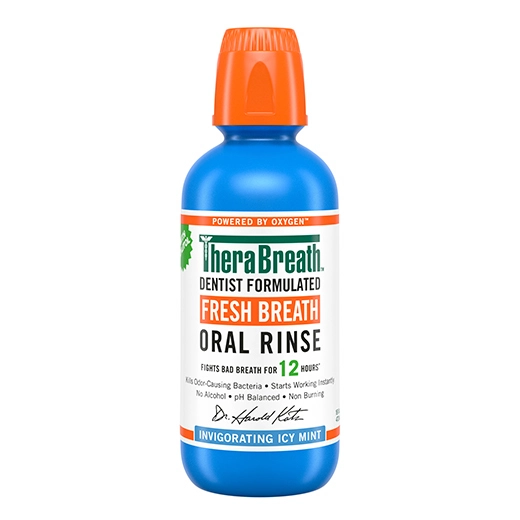
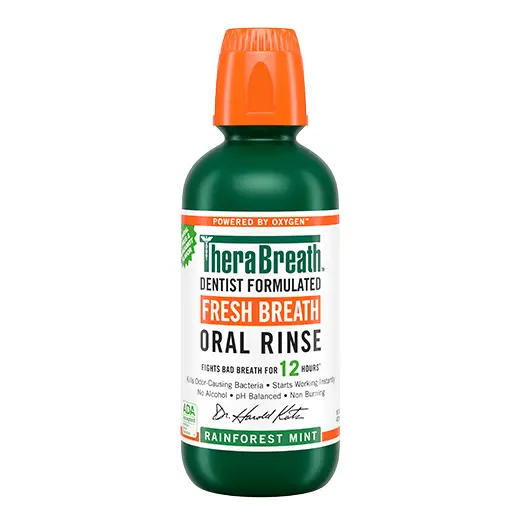





With 3 Powerful, Nutritional Compounds: Zinc, Vitamin C, and Echinacea
Vitamin C (Ascorbic Acid)
Vitamin C is vital for the function of the immune system and contributes to the formation
of collagen, which is critical for essentialy bodily functions.
Two hundred fifty years ago, as many as two-thirds of a ship's crew died from Vitamin C
deficiency. The deficiency disease, called scurvy, was rampant in men who were at sea for long periods.
In 1747 it was determined that only the sailors given citrus fruits recovered from scurvy.
It wasn't until nearly 200 years later that Vitamin C was identified.
Functions of Vitamin C
Collagen formation
Vitamin C participates in two reactions that are necessary for collagen formation.
Collagen is found wherever tissues require strengthening, especially in those tissues
with a protective, connective, or structural function. Collagen is critical
to the maintenance of bone and blood vessels and is essential in wound healing.
Antioxidant activity
Ascorbic acid can act as an antioxidant by donating electrons and hydrogen ions, and reacting
with reactive oxygen species or free radicals.
Iron absorption
Vitamin C is important for the effective absorption of iron, especially non-haem iron.
Ascorbic acid reduces ferric iron (Fe3+) to ferrous iron (Fe2+).
Synthesis of vital cell compounds
Vitamin C plays a role in stress, as it is important for the synthesis of
epinephrine and norepinephrine. During times of physical and emotional stress,
as well as during infection, there is increased production of oxygen radicals.
Therefore there is also a reliance on Vitamin C's activity as an antioxidant.
Those under heavy acute physical stress may benefit from taking large doses of Vitamin C.
Immune system function
Vitamin C is vital for the function of the immune system, especially for the function of lymphocytes.
Physiology and Metabolism
Humans are one of the few mammals that are
unable to synthesize Vitamin C.
Absorption occurs primarily by active
transport in the small intestine. Prior to absorption, ascorbic
acid (reduced form) may be oxidised to form dehydroascorbic acid.
Dehydroascorbic acid is absorbed more readily than ascorbic acid
and efficiency of absorption decreases at high intakes. The two forms
are inter-changeable and are both biologically active.
As Vitamin C is water soluble, the body
excretes any excess.
Some Dietary Sources
Fruits and vegetables can easily provide a nice dose of Vitamin C. We recommend Grapefruit, kiwi fruit, oranges, honeydew melon, strawberries, cantaloupe, and broccoli.
100% Satisfaction Guarantee
All TheraBreath Formulas are backed by a 100% 30–Day Money-Back Guarantee. If for any reason you're not satisified, let us know and we'll promptly refund your product cost.