


Foods and Drinks Staining Your Teeth (And What to Do About It)
Picture this: you catch your reflection after your morning coffee and notice your smile looks a little less bright than it used to. Sound familiar? You are not alone. Tooth staining is one of the most common cosmetic dental concerns, and more often than not, the culprits are the everyday foods and drinks we enjoy most. The good news is that products exist that can help with staining. In this article, we will walk you through what stains teeth, why it happens, and exactly what you can do to restore and protect your smile.
The Worst Foods That Stain Teeth
Some of the biggest offenders might surprise you. It is not just about color; even pale or golden foods can leave their mark on your enamel.
Berries and Dark Fruits
Blueberries, blackberries, pomegranates, and cherries are nutritional powerhouses, but their deep pigmentation comes from chromogens, which are intensely colored compounds that easily bind to tooth enamel. Açaí bowls and berry smoothies are especially potent stainers because the crushed fruit stays in prolonged contact with your teeth.
Tomato-Based Sauces
Marinara, tomato paste, and ketchup are triple threats: they are rich in chromogens, acidic enough to temporarily soften enamel, and clingy in texture. That combination means pigment gets into the enamel more easily and stays there longer.
Curry and Turmeric
The vivid yellow-orange hue of curry comes largely from curcumin in turmeric, a pigment so persistent it can stain fabric, cutting boards, and yes, teeth. Even small amounts used regularly can build up noticeable discoloration over time.
Soy Sauce and Balsamic Vinegar
Both are deeply pigmented and acidic. Balsamic vinegar is particularly tricky because its sticky consistency means it coats teeth and lingers. Soy sauce, a staple in many cuisines, carries the same double risk of color and acidity.
Surprising Foods That Stain Teeth
Some less obvious stain-causers include sports drinks and energy drinks, whose artificial coloring and acidity are a potent combination; popsicles and hard candies, since anything that turns your tongue a color will do the same to your teeth; beetroot, which is deeply pigmented and surprisingly acidic; and white wine, which is lighter in color than red wine but whose high acidity etches enamel and makes it more vulnerable to stains from other foods.

Drinks That Stain Teeth
Which Drinks Stain and Damage Your Teeth the Most?
Coffee
Coffee is the leading cause of tooth staining for most adults. It is highly acidic and loaded with tannins, which are compounds that cause color to stick to enamel. Regular, daily coffee drinking gradually yellows teeth over months and years, often so slowly that the change feels sudden when you finally notice it.
Tea
Tea, especially black tea, actually stains teeth more aggressively than coffee. It contains high levels of tannins and chromogens. Herbal teas are generally lighter on staining, but green and white teas still carry some risk. Adding milk to tea can help because the casein protein in dairy binds to tannins before they reach your teeth.
Red Wine
Red wine combines three staining risk factors in one glass: tannins, chromogens from dark grape skins, and acidity. It is one of the fastest-acting tooth stainers. White wine, though it will not directly stain, softens enamel and amplifies the staining effect of anything you eat or drink afterward.
Sodas and Fizzy Drinks
Cola drinks are both deeply pigmented and extremely acidic, which is a damaging combination. Even clear sodas like lemon-lime flavors can erode enamel with their acidity, making teeth more susceptible to staining from other sources. Regular soda consumption is one of the fastest ways to degrade both the color and the health of your teeth.
Sports Drinks and Fruit Juices
Many sports drinks contain artificial dyes and citric acid. Fruit juices, especially grape, cranberry, and pomegranate, combine natural pigments with high acidity. Even orange juice, which is light in color, is acidic enough to weaken enamel over time.
How to Stop Coffee and Tea Staining Your Teeth
A few simple habits can make a real difference. Drinking through a straw bypasses direct contact with your teeth. Adding milk or unsweetened oat milk reduces the staining potential of tea and coffee. Rinsing with water afterward for about 30 seconds dilutes acids and pigments. Waiting at least 30 minutes before brushing after acidic drinks is important because brushing too soon can spread acid across softened enamel. Finally, using a whitening rinse after your morning cup as part your daily routine helps prevent staining before it starts.
Why Do Teeth Stain? The Science Explained
What Are Chromogens?

In simple terms, chromogens are the pigments found in many foods and drinks that actually stick to your teeth. They bind easily to the surface of the enamel and cause staining known as extrinsic staining. When combined with tannins or acid, however, their staining power increases dramatically.
What Role Do Tannins Play in Tooth Staining?
Tannins are polyphenolic compounds found in tea, red wine, coffee, and many fruits. They act as a kind of biological glue, helping chromogens stick to the surface of teeth more effectively. Tannins can also dry out the mouth, which reduces the natural protective effect of saliva. This leaves enamel even more susceptible to staining.
How Do Acids Weaken Tooth Enamel?
Acidic foods and drinks temporarily demineralize enamel, the hard outer layer of your teeth. This makes enamel rougher and easier to stain. The more frequently your enamel is exposed to acid without sufficient recovery time, the more damage accumulates and staining occurs.
Why Do Teeth Stain More as You Get Older?
As we age, tooth enamel naturally thins and becomes more porous, making it easier for pigments to penetrate. At the same time, the naturally yellow layer beneath the enamel, called dentin, becomes more visible as enamel wears down. Decades of exposure to staining foods, drinks, and habits like smoking compound these effects. This is why teeth that looked fine in your twenties may seem significantly more discolored by your forties, even without major lifestyle changes.
Can Stained Teeth Become White Again?
Yes. In most cases, stained teeth can be whitened significantly. Surface stains from foods and drinks respond well to whitening products, and with the right routine, you can restore noticeable brightness without professional treatment.
Extrinsic vs. Intrinsic Stains
Stains fall into two categories, extrinsic and intrinsic stains. Extrinsic stains are surface-level discoloration caused by food, drinks, tobacco, and plaque buildup. These are the most common type and the most responsive to whitening products and improved oral hygiene.
Intrinsic stains originate inside the tooth itself, from factors like certain medications (particularly tetracycline antibiotics taken during childhood), excessive fluoride exposure during tooth development, trauma, or natural aging. Intrinsic stains are more resistant to over-the-counter whitening and may require professional dental treatment.
If your teeth are suddenly looking much more stained than before, it is worth evaluating recent changes. New medications, increased consumption of staining foods or drinks, or a lapse in your brushing and rinsing routine could all be contributing factors.
Can Enamel Be Strengthened?
Enamel itself cannot regenerate. Once it is gone, it does not grow back. However, the process of remineralization can help strengthen weakened enamel before it erodes further. Fluoride toothpaste, a diet low in acid, and staying well-hydrated all support enamel health. Dentists can also apply remineralizing treatments to help rebuild minerals on the surface of the enamel.
The earlier you address acid erosion and staining, the more enamel you have to work with. Prevention is far more effective than reversal when it comes to enamel.
How TheraBreath Can Help
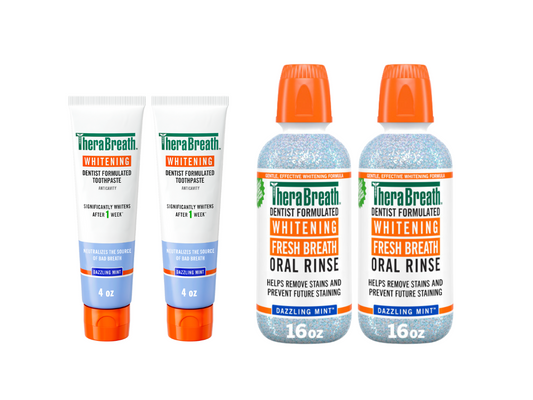
If you’re looking for something gentle enough for daily use and also peroxide-free for sensitive teeth, TheraBreath has options that can help. The Whitening Toothpaste removes surface stains with gentle daily brushing, while the Whitening + Oil Blend Oral Rinse combines whitening with the benefits of oil. The Whitening Fresh Breath Oral Rinse goes even further, it aids in lifting surface stains and helps keep new ones from sticking.
How to Stop Your Teeth from Getting Stained
Build a Stain-Prevention Routine

More than anything else, preventing stains comes down to consistency. A daily routine that includes whitening steps, not just brushing, can make a huge difference over time.
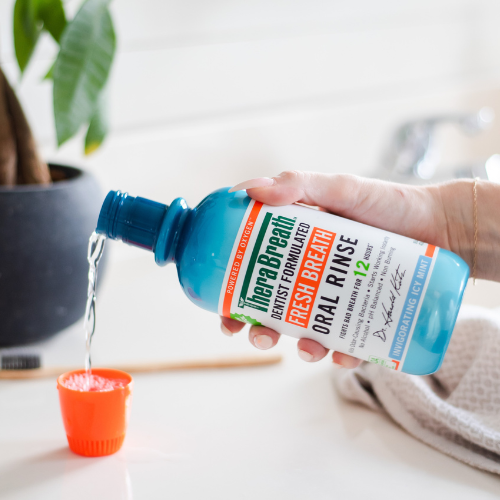
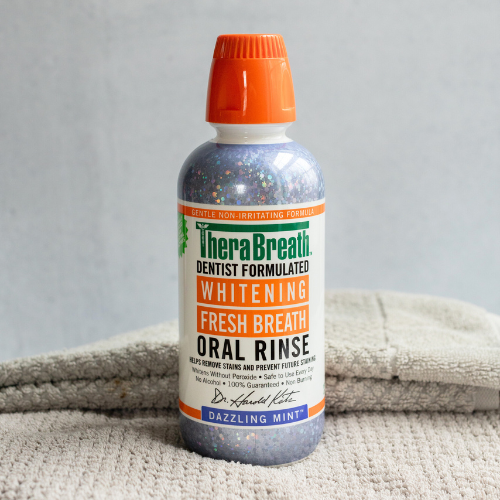
Start your day by brushing with a whitening toothpaste and follow with a whitening rinse like Whitening Fresh Breath Oral Rinse. This alcohol free whitening rinse helps remove stains while also forming a protective barrier that prevents future staining.
After coffee or meals, rinse with water immediately. At night, brush again with whitening toothpaste to clear the day's buildup before it has time to set.
Use the Right Products
For a comprehensive approach, consider TheraBreath's whitening solutions. The TheraBreath Whitening Toothpaste provides daily stain removal through gentle abrasion. The Whitening + Oil Blend Oral Rinse is an oil-pulling alternative with benefits utilizing plant based enzymes. The Whitening Fresh Breath Oral Rinse not only helps remove stains, but also helps prevent them.
All three are dye and peroxide-free, making them gentle enough for daily use without the sensitivity that can come with stronger whitening treatments.
For more tips on brightening your smile at home, see How Can I Whiten My Teeth at Home?
Foods That Won't Stain Your Teeth
Not everything on your plate is working against you. Rice, pasta, and white bread are low-risk choices, as are chicken, fish, tofu, cauliflower, celery, cucumber, bananas, pears, white cheese, yogurt, and eggs. As a general rule, pale and lightly colored foods tend to be your safest options.

Breakfast Foods That Won't Stain Your Teeth
If you are looking to start the day without immediately compromising your smile, consider oatmeal (plain or with banana), eggs, yogurt, plain bagels with cream cheese, or a smoothie made with pale fruits like mango and pineapple. Save the berry smoothie for after your morning oral care routine, or rinse immediately after enjoying one.
Foods That Whiten Teeth
Some foods can actually contribute to a brighter smile. Crunchy, fibrous vegetables like carrots, celery, and broccoli act as natural scrubbers, gently removing surface buildup as you chew. Dairy products such as milk, cheese, and yogurt contain casein, which neutralizes acids, and calcium, which strengthens enamel. Hard cheeses in particular can stimulate saliva production, which is your mouth's natural defense against staining.
Strawberries contain malic acid, which has mild whitening properties, and their texture provides gentle mechanical cleansing. That said, they do contain some pigment, so moderation is key. Pineapple contains bromelain, a natural enzyme with mild stain-removing properties.
As for what fruit does not stain teeth, pears, bananas, and white or green grapes are your safest options. Watermelon and honeydew are also low-staining choices. As a general rule, if the fruit does not stain your fingers, it is unlikely to stain your teeth significantly.
Ready to Brighten Your Smile?
Tooth staining happens to almost everyone, and the foods and drinks we love most are often the biggest culprits. The important thing is that you now know what to watch for, how to reduce staining as it happens, and what to reach for when you want to reverse it.

TheraBreath's whitening lineup is designed to fit naturally into your daily routine without causing sensitivity. Whether you start with the Whitening Toothpaste for gentle daily brushing, add the Whitening + Oil Blend Oral Rinse for a deeper clean, or make the Whitening Fresh Breath Oral Rinse your go-to prevention tool, you are building habits that protect your smile every day.
With the right daily habits, you can keep your smile bright. If you choose to use whitening products, look for gentle, daily-use options that fit naturally into your routine, like those in TheraBreath's Whitening Collection.
Sources
- Watts A, Addy M. Tooth discolouration and staining: a review of the literature. British Dental Journal.2001;190(6):309–316.
- Berger SB, Palialol ARM, Cavalli V, et al. Characterization of enamel staining after whitening treatment. Journal of the American Dental Association. 2008;139(3):339–347.
- Joiner A. The bleaching of teeth: a review of the literature. Journal of Dentistry. 2006;34(7):412–419.
- Nathoo SA. The chemistry and mechanisms of extrinsic and intrinsic discoloration. Journal of the American Dental Association. 1997;128(Suppl):6S–10S.
- Lussi A, Jaeggi T, Zero D. The role of diet in the aetiology of dental erosion. Caries Research. 2004;38(Suppl 1):34–44.
- Ten Cate JM. Remineralization of caries lesions extending into dentin. Journal of Dental Research.2001;80(5):1407–1411.
The information provided here is for educational purposes only and is not intended as medical or professional advice. Always consult with a qualified healthcare professional.