


What Causes Bad Breath?
What Are the Main Causes of Bad Breath?
Bad breath, or halitosis, affects almost everyone at some point, but for some it becomes a persistent problem. Most cases of bad breath are caused by odor-causing bacteria that grow primarily on the tongue. Other contributing factors include poor oral hygiene, dry mouth, certain foods, and even underlying medical conditions.
Food Particles and Poor Brushing Habits
After you eat, tiny food particles get trapped between the teeth, along the gumline, and on the tongue. If you have poor oral hygiene habits, including neglecting to brush and floss, these food particles build up. This can put you at risk for cavities, gum disease, and, yes, you guessed it, bad breath.
Odor-Causing Bacteria and Plaque Buildup
How do these tiny bits of food cause bad breath? Sugars and other ingredients in food get metabolized by bacteria in the mouth, which then release foul-smelling compounds.
Poor brushing habits and infrequent flossing allow for plaque build-up, which makes it easier for bacteria to multiply. The worse the situation becomes, the harder it is to rectify and remove the plaque.
The name for these odor-causing bacteria is anaerobic bacteria—these bacteria thrive in low oxygen environments and produce a sulfur smell. Interestingly, they occur naturally in the oral environment and aid in digestion by breaking down proteins from the food that we eat into amino acids.
As bacteria feast on proteins in your mouth, sulfur compounds are released. Chemicals such as hydrogen sulfide, methyl mercaptan, and dimethyl sulfide are produced in the process—compounds known for their bad smell.
Dry Mouth and Reduced Saliva Flow
Odor-causing bacteria can have several causes other than leftover food particles and poor oral hygiene. Dry mouth, gum disease and tonsil stones can also cause these bacteria to thrive, thus producing bad breath.
When you have dry mouth, you produce less saliva. When you have healthy saliva production, the saliva helps wash away debris and loose germs in your mouth, but when your saliva flow is reduced it can lead to bacteria multiplying and releasing volatile sulfur compounds as a byproduct. This results in smelly breath.
If you are experiencing dry mouth, and bad breath as a result, the first step is to dig deeper into what is causing your dry mouth.
Gum Disease, Gingivitis and Bad Breath
Signs of gingivitis or gum disease can include: bad breath, a persistent bad taste in your mouth, teeth that feel sticky or grimy, and a significant amount of plaque buildup.
How to Prevent Gum Disease and Bad Breath
You can prevent gum disease and bad breath at the same time by practicing good oral hygiene. Brush your teeth twice a day, floss to remove those pesky food particles that get stuck between your teeth, and use mouthwash to freshen your breath.
Consistent oral hygiene goes a long way towards maintaining a healthy mouth and staving off both gum disease and halitosis.
Dental Plaque and Tartar Buildup
While these healthy oral hygiene habits can help prevent the reasons for bad breath, if there’s already a too significant buildup of plaque it may have hardened into tartar. If you are dealing with tarter buildup or hardened plaque it may be worth it to see your dentist to properly clear away that plaque.

Other Health Conditions That Cause Bad Breath
Bad breath doesn’t always start in the mouth. Sometimes it comes from the digestive system or other health conditions in the body.
Bad Breath From the Stomach:
Bad breath from the stomach can stem from a range of conditions, from minor digestive issues to serious health problems. Some examples include:
- Bowel obstructions
- Irritable bowel syndrome (IBS)
- Gastroesophageal reflux disease (GERD)
- Infections in the digestive tract
- Excessive gut bacteria
- Diabetes
- Kidney disease
- Liver disease
- Celiac disease
- Gallbladder issues
How to Know if Bad Breath Is from the Stomach?
If your breath smells bad despite good oral hygiene—and you also have digestive symptoms like acid reflux, bloating, or stomach pain—the cause may be digestive rather than oral.
A good first step is to look at what other symptoms you have beyond your mouth. If you notice pain or other issues elsewhere in your body, it may be a sign that your bad breath is from your stomach or another digestive issue. In this case, you may want to contact your physician.
How to Fix Bad Breath?
There are a few things that you can do at home to lessen the smell. Brushing your teeth and using mouthwash can help reduce the bacteria that are causing the smell. Chewing sugarless gum creates excessive saliva, washing away the bacteria that cause bad breath.
Of course, most of these are only temporary solutions, and it is important for you to diagnose the underlying cause of your halitosis. If your dentist rules out oral health issues as the cause of your bad breath, they may refer you to a gastroenterologist to look for digestive causes.
Systemic Diseases and Medications
While most cases of halitosis are caused by oral health conditions including chronic dry mouth, gum disease, tonsil stones, and poor oral hygiene, diseases impacting other parts of the body can be a contributing factor.
Certain systemic diseases affecting multiple organs and tissues such as diabetes, rheumatoid arthritis, metabolic disorders, and hypertension can induce non-oral bad breath. Moreover, if you take prescriptions or over-the-counter medications to treat certain health conditions, these can cause dry mouth and ultimately bad breath. And, as previously stated, smoking will certainly cause bad breath. If you suspect that any of these are the cause of your bad breath, please consult your physician.
How Can I Get Rid of Bad Breath?
There are a number of steps to take to rectify bad breath, most of them within the realm of strong oral hygiene habits. Brush and floss daily, use a tongue scraper, rinse with mouthwash, stay hydrated and quit smoking, if you currently do.
1. Brush and Floss

The #1 best way to ward off bad breath is to get rid of the primary cause, which is those nasty plaque and food particles coating your teeth and getting stuck between them. It’s best to brush twice a day every day, always with a fluoride toothpaste.
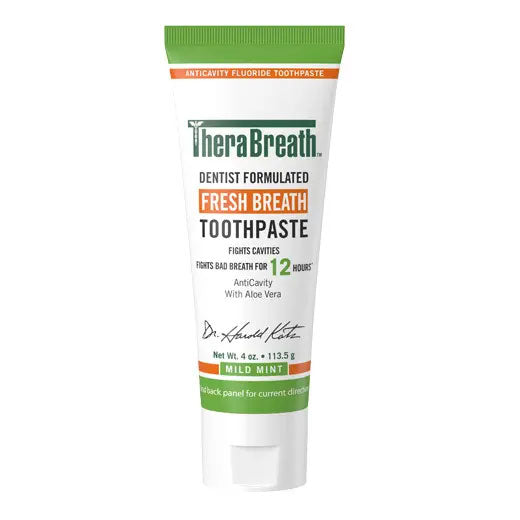
Toothpastes like TheraBreath™ Fresh Breath and TheraBreath™ Deep Clean are clinically shown to reduce the bacteria that cause bad breath. Healthy Gums toothpaste is clinically shown to fight bad breath for 12 hours and reduces gum-line plaque to protect against gingivitis. Deep Clean toothpaste has the same 12 hour claim, and, additionally, kills 99.9% of germs that cause bad breath, plaque, gingivitis*.
Flossing twice a day is also critical for oral health. Whether you use string floss or a water flosser like a Waterpik, flossing removes those food particles that get stick between the teeth.
2. Use Mouthwash
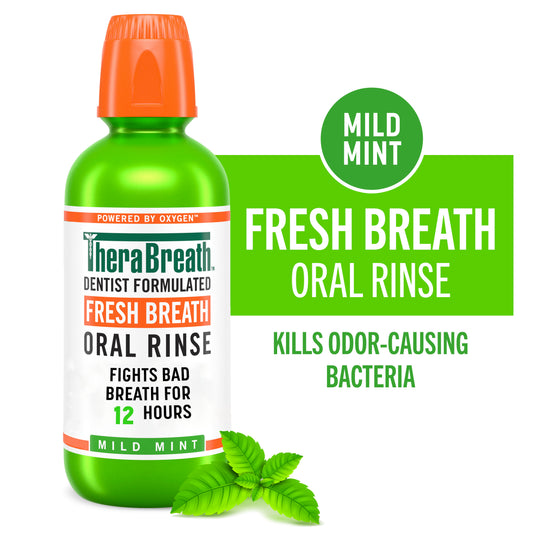
Mouthwash can be a great tool for fighting bad breath, especially when combined with regular brushing and flossing. TheraBreath™ Fresh Breath™ mouthwash kills anaerobic bacteria—the bacteria that causes bad breath—with its key ingredient, sodium chlorite, which creates an oxygen rich environment in the mouth.
3. Keep that Saliva Flowing
Dry mouth, whether from chronic conditions or breathing with your mouth open, can lead to halitosis. Increased saliva flow helps wash away food particles and loose bacteria, keeping your mouth healthy and free of bad smells.
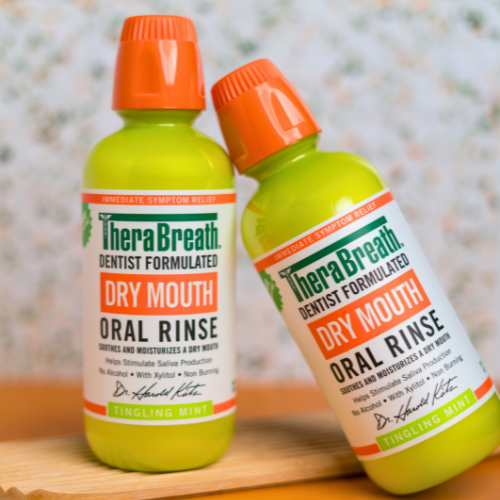
There are several products that can help stimulate saliva flow, including chewing sugar-free gum, rinsing with TheraBreath™ Dry Mouth™ mouthwash or sucking on TheraBreath™ Dry Mouth™ lozenges. If you’re concerned your dry mouth may indicate a more serious cause, make an appointment to see your dentist.
4. See Your Dentist Regularly
Regular cleanings at the dentist will keep plaque buildup under control (in addition to a strong oral hygiene routine of course), catch any signs of gum disease, and diagnose any other chronic issues like dry mouth or tonsil stones.
When Should You See a Dentist for Bad Breath?
See a dentist if bad breath persists despite good oral hygiene, is severe, or comes with other signs of gum disease. Persistent bad breath can be a sign of larger oral health issues such as periodontitis. In these cases, that bad breath sulfur smell is a warning sign that there is something deeper to be concerned about—something that is creating conditions for bacteria to grow and thrive.
If your bad breath is constant or extreme, and is not fixed by improved oral hygiene, it could be a clue that these larger issues may be at play and a trip to the dentist is in order.
The information provided here is for educational purposes only and is not intended as medical or professional advice. Always consult with a qualified healthcare professional.